
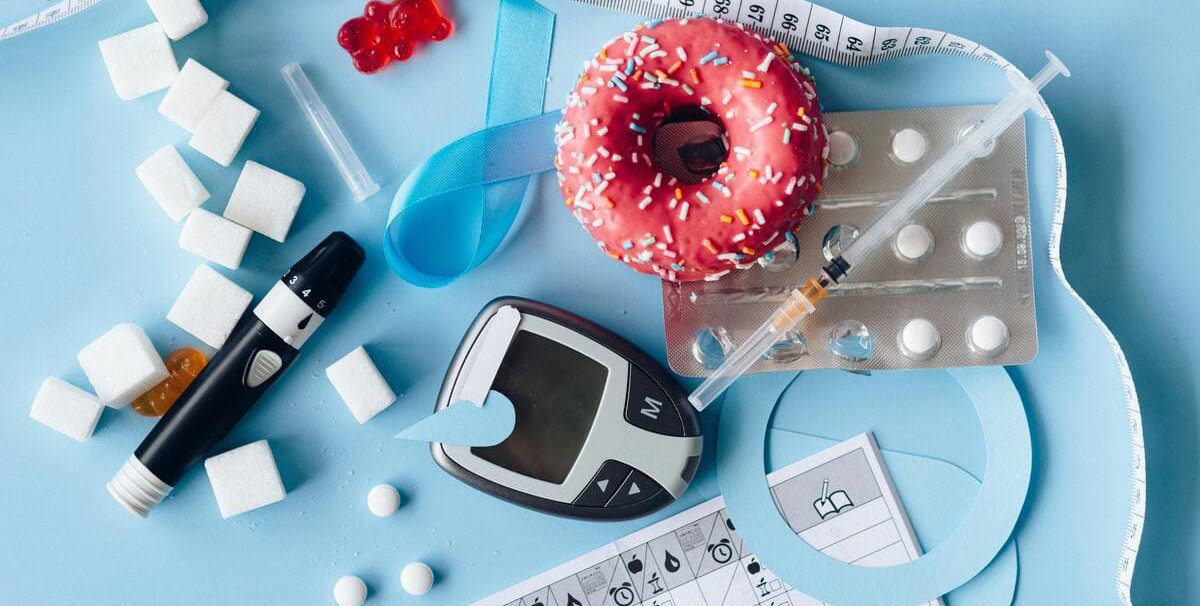
A Continuous Glucose Monitor (CGM) has become one of the most powerful tools for improving metabolic health. It takes something previously invisible—your real-time blood glucose response—and turns it into data you can learn from, adjust to, and consistently improve.
But a CGM is more than a gadget. It’s a behavioral feedback system.
It shows how your body responds to what you eat, how you move, how you sleep, and even how you handle stress.
And when paired with consistent nutrition habits—such as using balanced, slow-digesting meals—a CGM can help you shape a diet that keeps glucose stable and energy steady. Some users accomplish this with whole foods alone; others find that a structured meal option like EqualFuel Balanced Nutritional Blend gives them a predictable, low-variability baseline to compare against their other meals. The goal is not the product—it’s the insight.
Below, we break down how to use a CGM, what to study, what factors matter, and how often to revisit your glucose data as your lifestyle evolves.
What a CGM Should Help You Understand
1. How Your Body Responds to Food
CGMs show that two people can eat the exact same meal and have completely different glucose curves. This is why generic diet advice often fails. Your CGM teaches you your own biology.
2. How Timing and Meal Structure Affect Spikes
The same food eaten at 8 AM may produce a mild rise, while at 9 PM it may produce a large spike. Protein, fiber, and fat also dramatically influence your curve. This is one reason some people rely on a balanced shake or smoothie—it gives them a consistent benchmark for how a properly structured meal behaves on their CGM.
3. How Sleep, Stress, and Movement Interact with Glucose
A poor night of sleep or a stressful meeting can cause glucose to rise without a single bite of food. A short walk can flatten a spike instantly. The CGM makes these invisible forces visible.
Key Factors to Consider When Interpreting CGM Data
1. Meal Composition
Carbs alone typically spike.
Carbs + protein + fat + fiber = far smoother curve.
Balanced blends—such as EqualFuel, which is formulated with protein, fiber, and slow-digesting fats—are often used as a “stable reference meal” to compare against less structured meals.
2. Meal Timing
Insulin sensitivity is higher earlier in the day and generally lower at night. CGMs reveal your personal rhythm.
3. Movement
A 15-minute walk after eating can reduce glucose by 20–40 mg/dL in many people.
This is one of the strongest levers you can see in real time.
4. Stress
Cortisol elevates glucose. Deep breathing, a short break, or mindfulness practices often produce measurable changes.
5. Sleep Quality
Sleep debt raises next-day glucose responses. Your CGM will show you that the same meal looks worse after a bad night.
6. Hormonal Cycles
For women, glucose varies naturally across the menstrual cycle.
7. Baseline Nutrition Habits
Consistent low-spike meals build insulin sensitivity over time. Many CGM users rely on a “control meal”—something balanced and predictable—to evaluate progress.
Smoothies or blends designed for slow glucose release (like EqualFuel) often fill this role.
What You Should Analyze in Your CGM Data
1. Post-Meal Glucose Peaks
General healthy patterns (not medical advice):
- Peak glucose: ideally < 140 mg/dL
- Rise from baseline: ideally < 30 mg/dL
- Return to baseline: within ~2–3 hours
The shape of your curve matters more than chasing perfect numbers.
2. Glucose Variability
Stable glucose = stable energy, fewer cravings, better metabolic flexibility.
3. Fasting Glucose Trends
Trends matter more than day-to-day fluctuations.
4. Food Pairing Effects
Try experiments:
- Rice bowl alone vs. rice bowl after protein
- Fruit alone vs. fruit blended with protein + fiber
- A high-carb breakfast vs. a balanced one
Many people discover that balanced shakes keep glucose consistently stable, serving as a helpful anchor for comparing homemade meals.
5. Exercise and Recovery
Strength training may temporarily spike glucose but improves average levels over time.
Zone 2 cardio often smooths glucose immediately.
How Often Should You Revisit Your CGM Data?
You don’t need a CGM forever. You need it strategically.
Phase 1: Learning Phase (First 30 Days)
Wear it continuously to:
- Identify your top glucose-spiking foods
- See how fiber, fat, and protein change your curve
- Understand stress → glucose → cravings loops
- Build your personalized eating framework
Phase 2: Recalibration (Every 3–6 Months)
Wear it for 2–4 weeks to reassess:
- Whether glucose control has improved
- Whether your “stable meals” are still stable
- How new habits (new job, new workout routine, new diet) affect you
Phase 3: During Life Transitions
Use again when:
- Sleep patterns change
- Stress increases
- You begin new training programs
- Your weight changes
- You adjust your diet significantly
CGMs are most valuable during periods of change, not necessarily every day of your life.
Where Balanced Nutrition Fits into CGM Learning
While a CGM teaches you about your own metabolism, nutrition choices give you the tools to act on what you learn.
Balanced, slow-digesting meals—whether homemade or from structured blends like EqualFuel Balanced Nutritional Blend—help create a steady glucose baseline against which you can compare your more variable meals.
Users often report that having at least one “known low-spike meal” per day helps:
- Reduce guesswork
- Improve glucose stability
- Cut cravings
- Create a metabolic anchor around which the rest of the day becomes easier to manage
This isn’t about replacing whole foods. It’s about supporting metabolic consistency, so your CGM data becomes easier to interpret and easier to apply.
The Bottom Line: A CGM is a Teacher—Your Habits Do the Real Work
A continuous glucose monitor reveals your body’s truth:
- What foods work for you
- What foods don’t
- How lifestyle behaviors shape your glucose curve
- How your metabolism adapts over time
And while no device replaces the fundamentals—sleep, movement, stress regulation, and balanced nutrition—a CGM helps you refine them with precision.
Whether you structure your meals yourself or use a balanced blend like EqualFuel for predictability and stability, the CGM gives you the data, but your habits give you the results.